What does ‘becoming an authority’ mean?
‘Becoming an authority on the web’ means establishing yourself as a trusted, credible expert and thought leader in a specific industry or field. It involves consistently providing valuable insights, high-quality content, and demonstrating a deep understanding of your subject matter to the point where others, including search engines, recognise you as a reliable source of information.Becoming an authority on the web, often referred to as establishing E-E-A-T (Experience, Expertise, Authoritativeness, Trustworthiness) in Google’s Quality Rater Guidelines, is arguably more important than ever for visibility, trust, and success online.
Key reasons why this is still important include:
Google Search Rankings:
Google’s algorithms heavily prioritise content that demonstrates high levels of E-E-A-T. Authoritative sources are consistently favoured in search results, especially for topics where the accuracy and reliability of information are crucial (e.g., medical, financial, or legal advice).
The Four Pillars of E-E-A-T
- E – Experience: Demonstrating that the content creator has firsthand, real-life, or practical experience with the topic. (e.g., a review written by someone who has actually used the product).
- E – Expertise: Showcasing that the content creator possesses deep knowledge or skill in the subject matter, verified by credentials, qualifications, or professional experience.
- A – Authoritativeness: Establishing that your website and content creator are recognized as a go-to source by peers and other reputable industry sites.
- T – Trustworthiness: Ensuring the site is honest, secure, and transparent, with accurate information
User trust and credibility:
In an era of rampant misinformation and AI-generated content, users actively seek out credible, authoritative sources. Building authority helps establish trust with your audience, leading to increased engagement, customer loyalty, and positive brand perception.
Competitive differentiation:
The web is saturated with content. Establishing yourself as an authority is a powerful way to stand out from the competition. It positions you as a thought leader and the go-to source in your industry.
Adaptability to AI:
The rise of AI tools in content creation makes human expertise and authority a valuable differentiator. Authentic experience and a verifiable track record of expertise are things AI currently struggles to replicate, making them premium qualities in the digital world.
While the methods of demonstrating authority may evolve with technology, the underlying principle of being a reliable and knowledgeable source remains a cornerstone of success on the web.
“I’ve heard of SEO”
What’s the difference between SEO and being an authority online?
This is a frequently asked question (and one we assume everyone knows!)
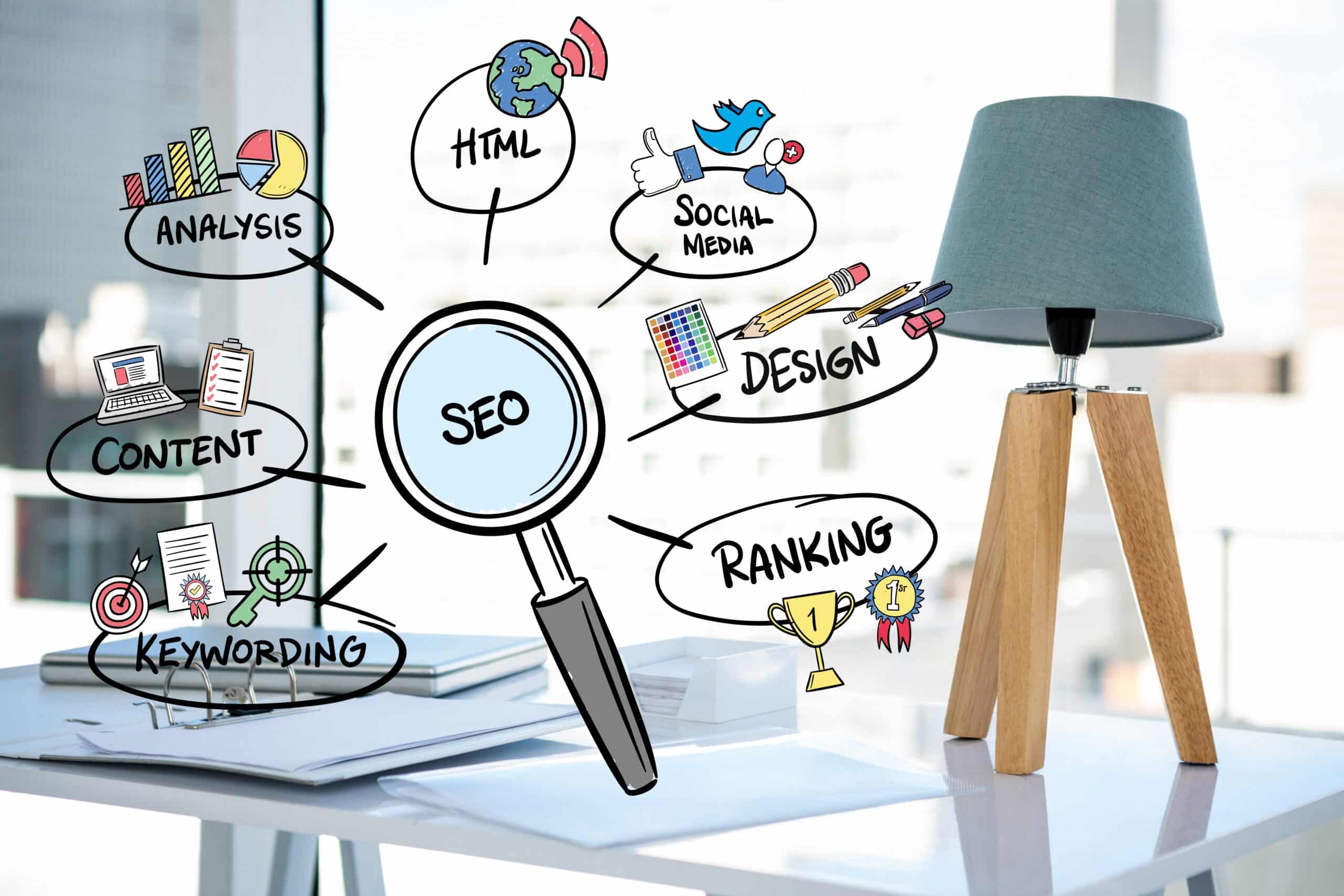
SEO (Search Engine Optimisation) is the process of improving a website’s visibility in search engines, while “being an authority” is a key outcome and component of successful SEO, referring to a site’s perceived trustworthiness and expertise, built through high-quality content, backlinks, and strong brand signals, which helps it rank better and gain more organic traffic.
The simple answer? we use SEO tactics to build authority, which then drives better SEO results…
Want to find out more? Our exhibitor and category sponsor, Bobble Digital are experts on everything SEO – get your FREE tickets to marketingSHOWCASE here – come and speak to them about what you can do to improve your site’s authority.