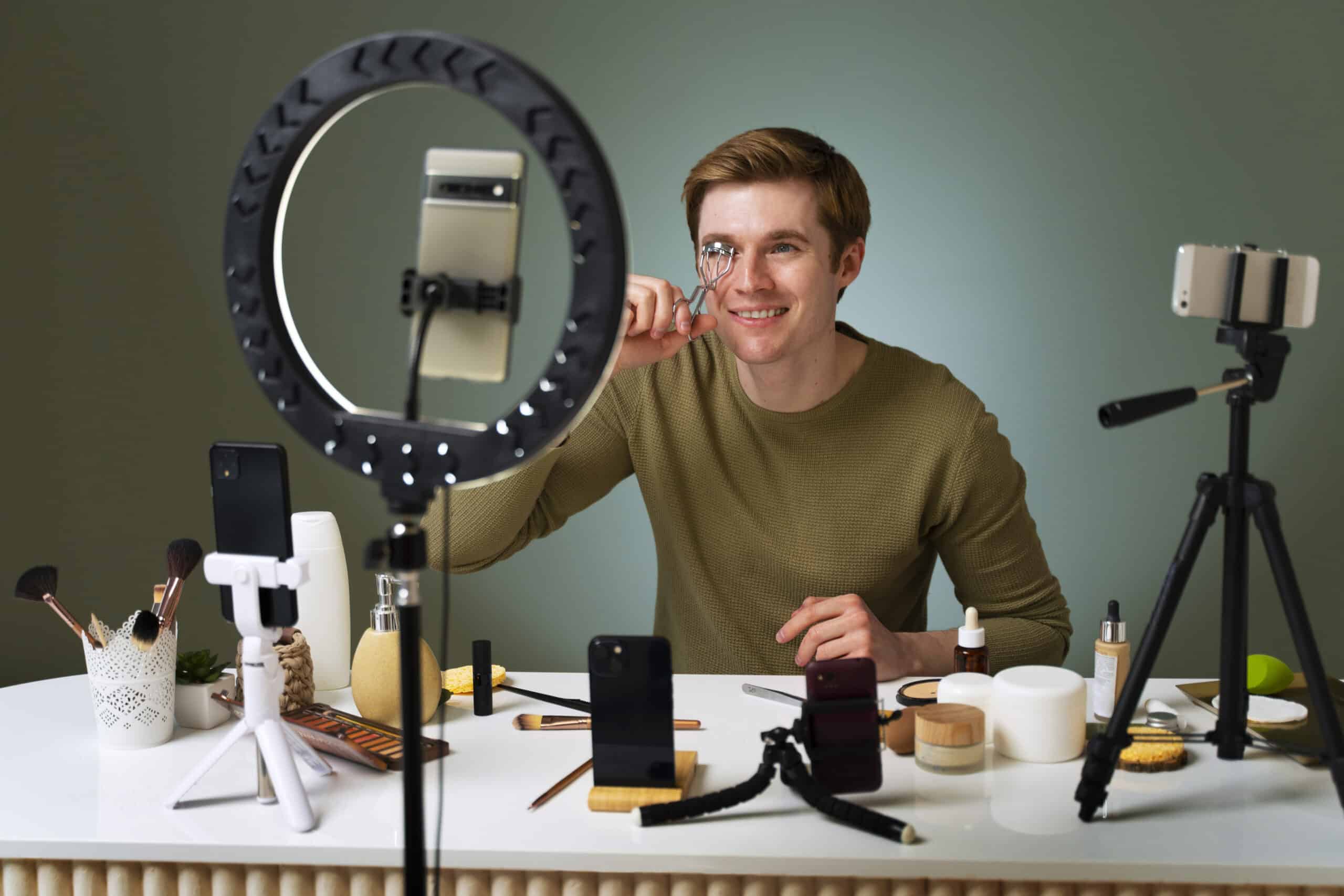
The micro-influencer (typically 10,000–100,000 followers) has been talked about a lot.
Explanation about what a micro-influencer is here by TRIBE GROUP
Brands are moving away from one-off, large-scale celebrity endorsements to build long-term relationships with smaller, niche creators who command trust within specific communities. This is driven by a demand for authenticity, higher engagement rates, and better ROI over the polished, high-cost content of mega-influencers.
Why should we welcome back the micro-influencer?
Superior engagement and trust
Micro-influencers boast engagement rates 101% higher than their macro counterparts on platforms like Instagram. Because they engage directly with followers in comments and messages, they are seen as ‘real people’ rather than celebrities, creating a stronger sense of trust and community.
- Trust Gap: 61% of consumers trust influencer recommendations, compared to only 38% for branded posts.
- Conversion Power: Their followers are more likely to act on recommendations, leading to higher conversion rates, with some reports showing up to 13x ROI on campaigns.
Niche targeting and authenticity
Consumers are weary of hyper-polished, scripted content, driving a ‘return to simplicity’ and human-centric storytelling. Micro-influencers excel at integrating brands into their authentic, daily lives, making promotions feel natural rather than forced.
- Niche Expertise: Whether in specialised areas like sustainability, indie gaming, or local food, they reach highly targeted, passionate audiences.
- Locality: ‘Neighbourhood’ influencers are rising in popularity for localised, community-specific marketing.
Cost-effectiveness and ROI
With average costs for a post between £100 – £500 for micro-influencers, brands can distribute their budget across multiple creators to achieve a wider, more diverse, and more engaged reach than a single large, expensive campaign.
- Hybrid models: Brands are now using a blend of flat-fee payments and affiliate commission (sales bonuses) to ensure ROI, particularly as micro-influencers professionalize and bring on managers.
- UGC focus: Micro-influencer content is frequently repurposed as user-generated content (UGC) for paid social ads, which often outperforms professional studio ads.
2026 trends: long-term over one-off
As the industry moves through 2026, the focus has shifted from ‘influencer-as-reach’ to creator or partner.
- Sustained partnerships: Instead of one-time posts, brands are securing long-term brand ambassador partnerships.
- Content strategy: Brands are increasingly giving creators full creative control, recognising that unpolished, authentic content generates better engagement.
- Diversification: Beyond Instagram and TikTok, brands are leveraging micro-influencers on platforms like Substack, Discord, and through in-person, ‘offline’events to combat digital fatigue.
The role of technology
AI is helping bridge the gap between small and large, allowing brands to quickly find, vet, and manage hundreds of micro-influencers, making it easier to scale these intimate partnerships.
Forbes even spoke about the benefits of the micro-influencer way back in 2021. AND 2022!
Let’s welcome the return of the micro-influencers! They are becoming the ‘unsung heroes’ of modern marketing, they can give us the authenticity to cut through the noise of already saturated brands. We’re all sick of unreachable, unattainable, unrelatable mega celebrities! Down to earth is where we want to go…watch this space.
Want to find out more? Visit marketingSHOWCASE to hear from the experts. Get your FREE tickets here.